Your First Empty Day Without Guilt
For travellers who have never left a date blank on purpose, the smallest workable format is smaller than you expect. This guide names what enough looks like by evening so quiet does not get rewritten as failure.
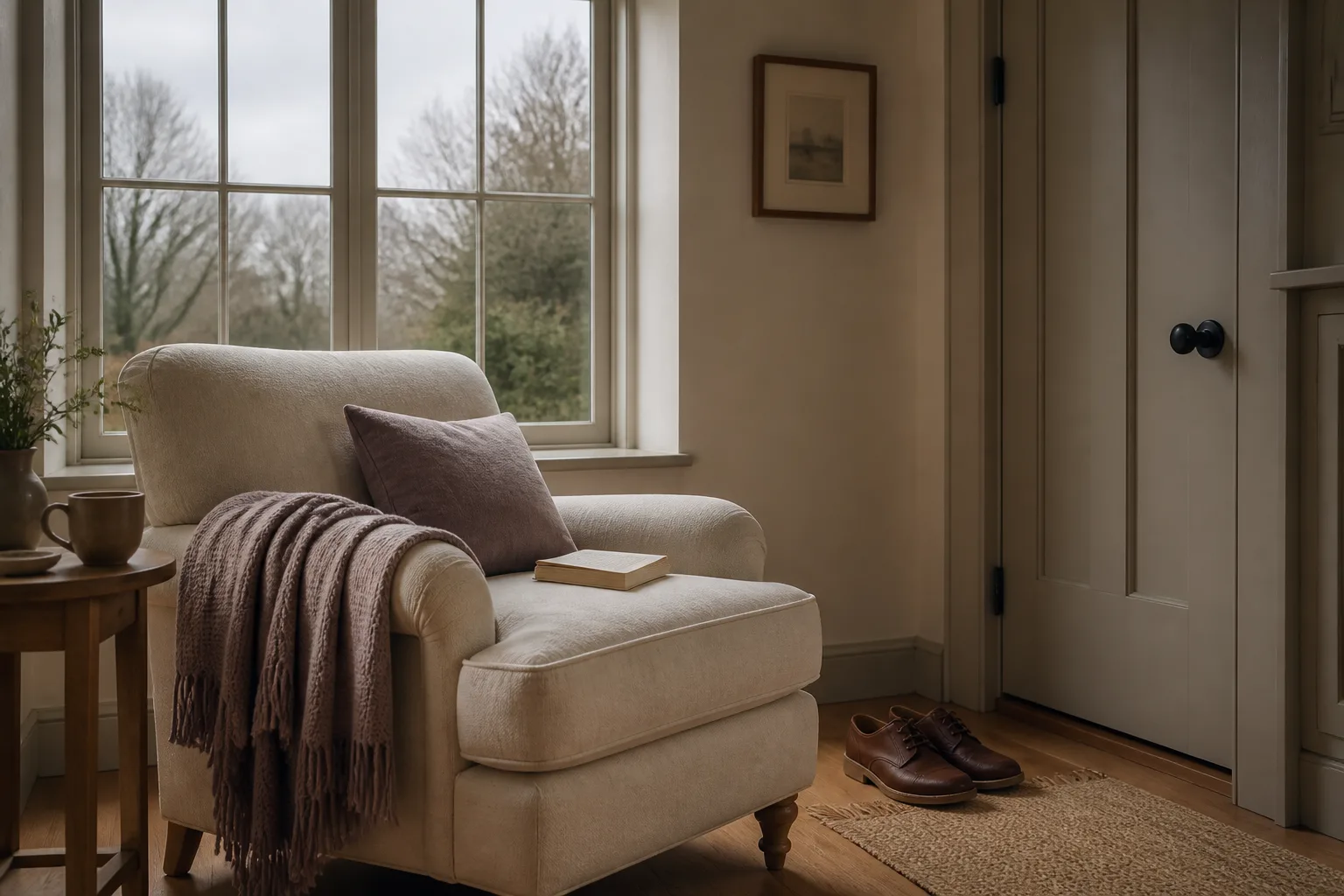
If you have never left a travel date blank on purpose, the idea can feel like a mistake waiting to happen. Every other day has a shape: tickets, reservations, a reason to leave the room. An empty date offers none of that cover. Guilt arrives early, often before breakfast, and it speaks in the voice of the people who told you to make the most of a trip. This guide is for the first attempt only. It picks the smallest format that still counts as a day, and it names what enough looks like before evening turns into a trial.
Start smaller than you think you need
First-timers reach for a heroic indoor day: reading, journaling, a long bath, a perfect lunch. That stack is heavy. When one piece fails, the whole day feels ruined. Choose one anchor instead. A chair by the window. A paperback already half-finished. Shoes by the door in case you want ten minutes outside later. The anchor is not a schedule. It is a place to return when the quiet gets loud.
- One seat you will use more than once.
- One drink you can refill without leaving the building.
- One optional exit: a short hallway walk or a balcony if you have one.
If you share the room, say the anchor out loud so nobody treats your stillness as an invitation to plan around you. Stillness is the format, not a gap waiting to be filled.
What guilt is actually asking
Guilt rarely asks for more miles. It asks for proof that you deserved the lodging and the airfare. Proof is a tourist word. On a first empty day, the useful question is narrower: Did you rest in the way you said you would? Did you eat? Did you let the afternoon exist without turning it into a rescue mission for tomorrow?
Enough is not a mood. It is a short list you can check without taking a photograph.
Write that list on a sticky note the night before. Three items maximum. Example: breakfast downstairs, one hour in the chair, phone in the drawer until lunch. When guilt speaks at eleven, point to the list. You are not negotiating with an abstract standard. You are following lines you already agreed to.
Afternoon without half-errands
The afternoon is where first empty days collapse. You feel rested enough to do one small thing, which becomes three things, which becomes a rushed tour that leaves you wired at dinner. Half-errands are worse than full ones because they borrow the stress of sightseeing without the satisfaction of a plan completed.
Allowed and not allowed on the first try
- Allowed: refill water, stretch in the room, read, nap, eat what you already have.
- Not allowed today: new tickets, distant neighbourhoods, research spirals on your phone.
- Borderline: a ten-minute loop outside — only if you named it the night before.
Borderline items are where beginners lie to themselves. If you did not name the loop, skip it. You are not building character. You are learning that a day can end without a story worth telling at a bar.
How to know the day worked
By evening, your body should feel slightly boring: fed, not wired, aware of the bed. Your mind may still complain that you missed something famous three stops away on the map. Let the map wait. Compare the day to your sticky note, not to anyone else's highlight reel. If you ate, used the chair, and kept the phone contained, the first empty day succeeded even if you cannot describe it in one exciting sentence.
Before sleep, write one line about what felt hardest. Was it the silence? The urge to check messages? The partner's raised eyebrow? That line becomes the only homework. Next pause day you adjust one variable, not the whole concept. Guilt may still visit. It does not have to run the room.