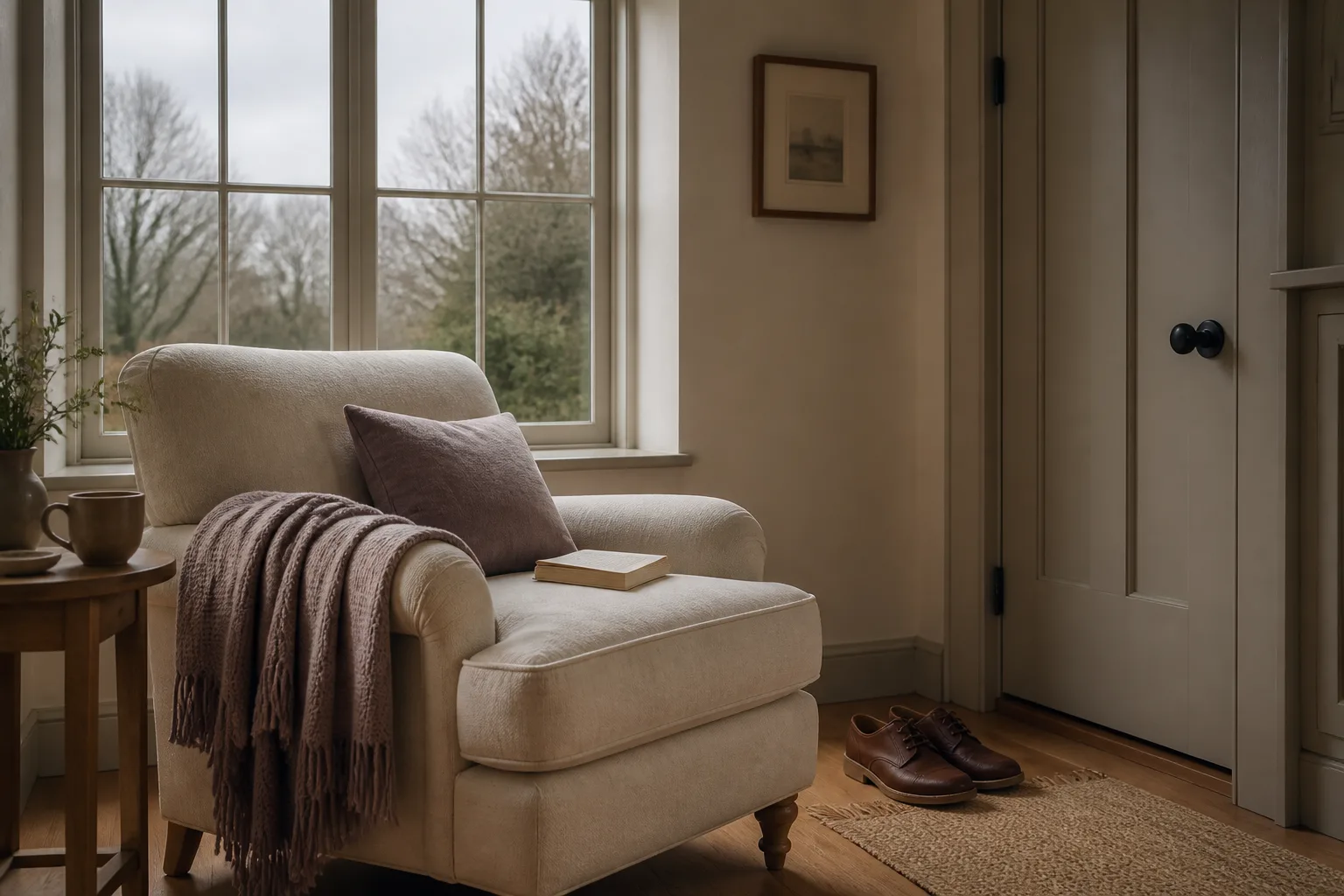
Deciding the Night Before Your Pause Day
Morning doubt on a blank travel date is predictable. The useful work happens the evening before, in three short decisions and one plain sentence that closes the argument before breakfast.

Most pause days fail in the morning, not because the format was wrong but because nothing was settled the night before. You wake up, see the empty calendar line, and reopen the same questions you thought you had closed: Should we go out? Should we stay in? Is this a waste? The doubt is predictable. The fix is not a better attitude. It is a short list of decisions made while you still have evening light and a clear head.
What actually needs deciding
Travellers often try to plan the whole pause day in detail the night before. That usually backfires. A detailed plan feels like a normal sightseeing day wearing a different label, and the morning brain notices the disguise. What you need instead are three boundaries, not an hour-by-hour script.
- Where the day starts: in the room, on a balcony, or at a table downstairs.
- Whether you leave the building at all, and if yes, for how many minutes.
- What counts as done by evening, stated in one plain sentence.
Those three items are enough. They do not require research. They do require you to stop negotiating with yourself once they are written.
The one sentence worth writing down
Before sleep, write a single sentence that describes success for tomorrow without using the words productive, worth it, or finally. Good versions sound boring on purpose: "We eat downstairs, walk one loop, and read until dinner." Boring is the point. Exciting sentences invite comparison with other travellers and with your own busier days.
A pause day is decided when the morning has nothing left to argue about except the weather.
Keep the sentence visible. A note on the phone lock screen works. A card on the table works better because it does not disappear behind a notification. If you share the room, show the sentence to the other person so breakfast does not become a fresh debate.
Evening checks that prevent morning drift
Spend ten quiet minutes on logistics that are easy to postpone and painful to solve hungry at nine in the morning. Confirm breakfast hours with the lodging if you are unsure. Fill a water bottle. Lay out shoes you will actually wear on a short walk, not the pair that looks good in photos. Charge the device you use for reading or maps, then put it out of reach if maps are not part of tomorrow.
When the building matters
Apartment stays need different checks than hotels. Note whether the lift is reliable, whether quiet hours start early, and whether the kitchen has basics for a simple meal. Host messages are often buried in booking apps; open them once the night before instead of discovering a rule at breakfast.
- Read the latest house note from the host or front desk.
- Decide indoor versus outdoor before you are dressed.
- Write the success sentence and read it aloud once.
- Set a gentle alarm only if you still need one on pause days.
Morning rules that protect the decision
When you wake up, do not open a map first. Do not scroll for what other people did in the same city. Those inputs reintroduce comparison before you have had tea. Follow the start location you chose. If the sentence said downstairs, go downstairs even if the room is comfortable. Small obedience to your own plan trains the day to stay calm.
If weather shifts, you may adjust the walk boundary without reopening the whole day. Rain can shorten the loop; it should not turn the pause into a rushed makeup tour. Change one variable, not three. Tell your companion the change out loud so it stays explicit.
When you travel with someone else
Shared rooms amplify morning doubt because one person's silence reads as disappointment. The night-before sentence should name what together means without assuming identical energy. "We start downstairs; each person chooses read or walk after breakfast" is clearer than "we will have a relaxing day." Relaxing is not a plan; it is a hope that someone else must interpret.
If your companion wants a busier backup list, park that list on paper in the drawer, not on the breakfast table. Agree that the list opens only if both of you say yes out loud after ten in the morning. Most days the list stays closed, which is the outcome you wanted when you protected the pause date in the first place.
Closing the evening without a verdict
At night, resist rating the day. Travellers often try to decide whether the pause earned its place in the itinerary. That rating invites guilt on quiet days and smugness on busy ones. Instead, compare the day only to the sentence you wrote. If you ate downstairs, walked one loop, and read until dinner, the day is complete even if nothing photographable happened.
Write one line in a notebook about what made the morning easier or harder. Not a essay. Not a lesson for social media. One line is enough to improve the next pause day without turning this one into homework. That is how the night-before habit compounds: less drama each time, more trust in a format that looks empty from the outside and feels full enough from the inside.