Keeping Food and Sleep on the List
A reduced day still needs structure. When lunch and rest stay on the list as named actions, the afternoon stops dissolving into snacks, sofa half-sleep, and guilt.
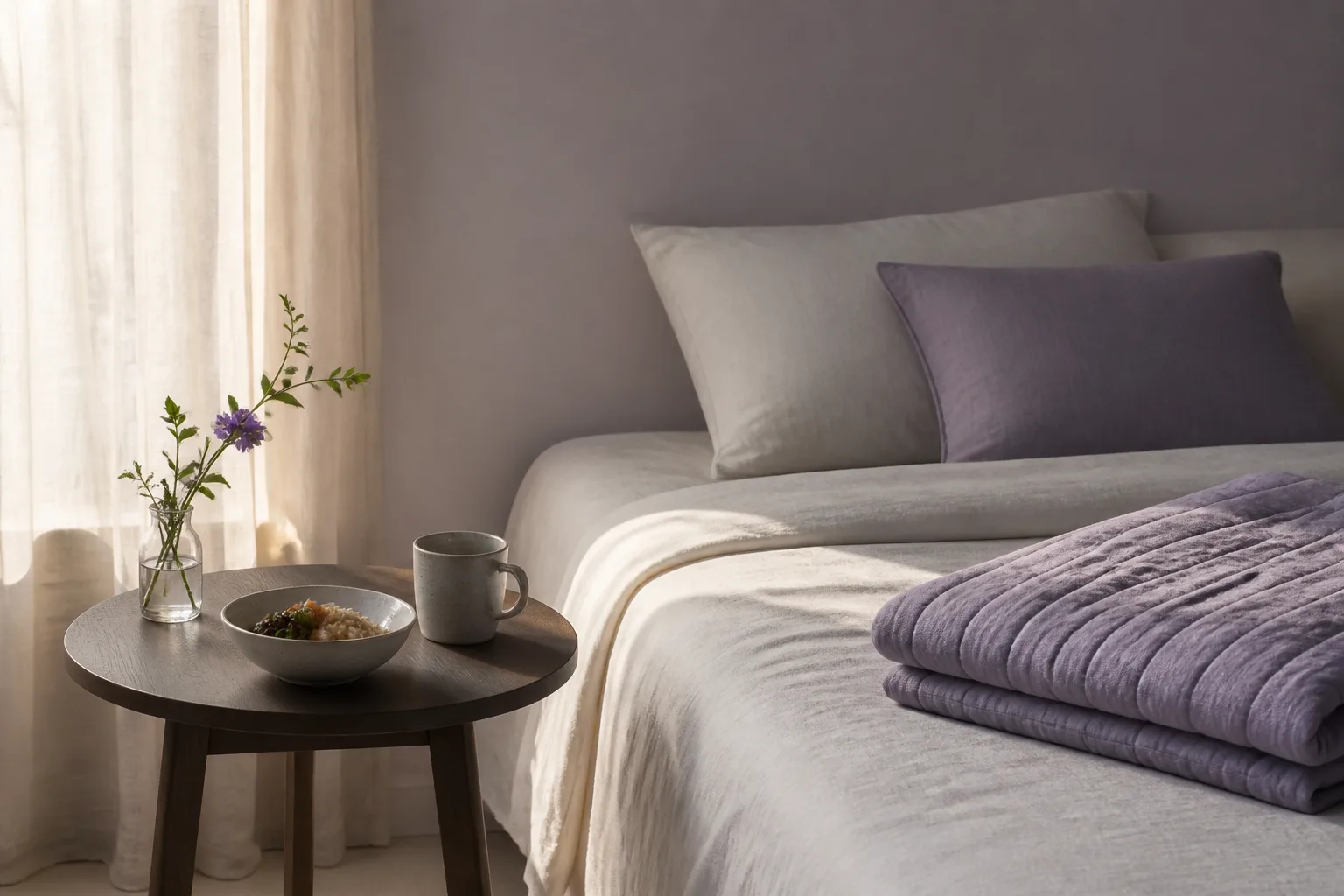
A reduced travel day is not a day without needs. It is a day with fewer outward events and the same requirement to eat and sleep on time. Travellers often treat a plain meal and a nap as accidents that happen when nothing else is going on. That framing turns both into guilt objects. When lunch drifts to mid-afternoon and rest becomes a half-sleep on the sofa with one eye on messages, the body stays tired and the mind insists the pause day failed. This article puts food and sleep back on the list as planned actions, not as apologies.
Food as a scheduled event, not a mood
On busy trip days, meals ride along with plans: café before a museum, dinner after a show. On a pause day there is no show to anchor dinner. Without an anchor, food becomes snacking that never quite registers as satisfaction. Pick a meal you will treat as real, even if it is simple. Write the time in the same place you wrote your success sentence the night before.
- Breakfast at the table, not standing at the counter.
- One lunch you sit down for, even if it is leftovers in the kitchen.
- Dinner early enough that sleep is still possible.
Simple does not mean careless. A bowl of soup and bread can be a complete lunch if you light the room, sit, and finish. The completion matters more than the menu. If you are in a lodging without a kitchen, choose one place within a short walk and go once, not three times for small purchases that fragment the afternoon.
Nap as a closed interval
Naps go wrong when they are indefinite. You lie down to rest your eyes and wake in a dim room unsure what hour it is, then fight sleep all evening. Treat the nap like a meeting with a start and end. Twenty-five to forty minutes is enough for most travellers if the room is dark and the phone is in another pocket.
A nap belongs on the list the way a walk does: named, timed, and finished before the next item begins.
Set a quiet alarm. When it rings, sit up, drink water, and open the curtain before you judge whether the nap helped. Judgment can wait ten minutes. Movement tells your body the interval closed. If you cannot sleep, the interval still counts as rest if you stayed off screens and horizontal.
Sequencing meal, rest, and light
Order reduces the restless half-errands that fill a shapeless afternoon. A workable sequence for many lodgings looks like this: late breakfast, slow morning in the chair, short outside loop if you named one, lunch, nap interval, light snack, early dinner, evening read. Not every block needs excitement. Blocks need boundaries.
When the building has no kitchen
- Buy lunch once in the morning or the night before; avoid repeated store trips.
- Eat at the table in the room, not on the bed, so sleep stays separate.
- Keep napkins and water ready so the meal does not stall halfway.
- After dinner, pack leftovers before you sit to read.
Beds that smell like lunch make naps longer and sleep at night lighter. Small spatial rules protect the list. If your partner wants a busier rhythm, negotiate one shared meal and keep the nap private. Shared food is social; shared rest rarely is.
Evening without a food or sleep debt
The pause day ends well when you can answer two questions without sighing: Did I eat sitting down at least twice? Did I close the nap instead of letting it spill into dusk? If yes, the day held structure even if you never left the neighbourhood. Tomorrow can be loud again. Today fed you and gave the body a known interval of rest.
Note one friction point for next time: lunch too late, nap too long, snacks that replaced lunch entirely. One adjustment is enough. Food and sleep stay on the list because they are the skeleton of any day, empty or full. Treat them as planned actions and the afternoon stops feeling like a hallway you cannot leave.